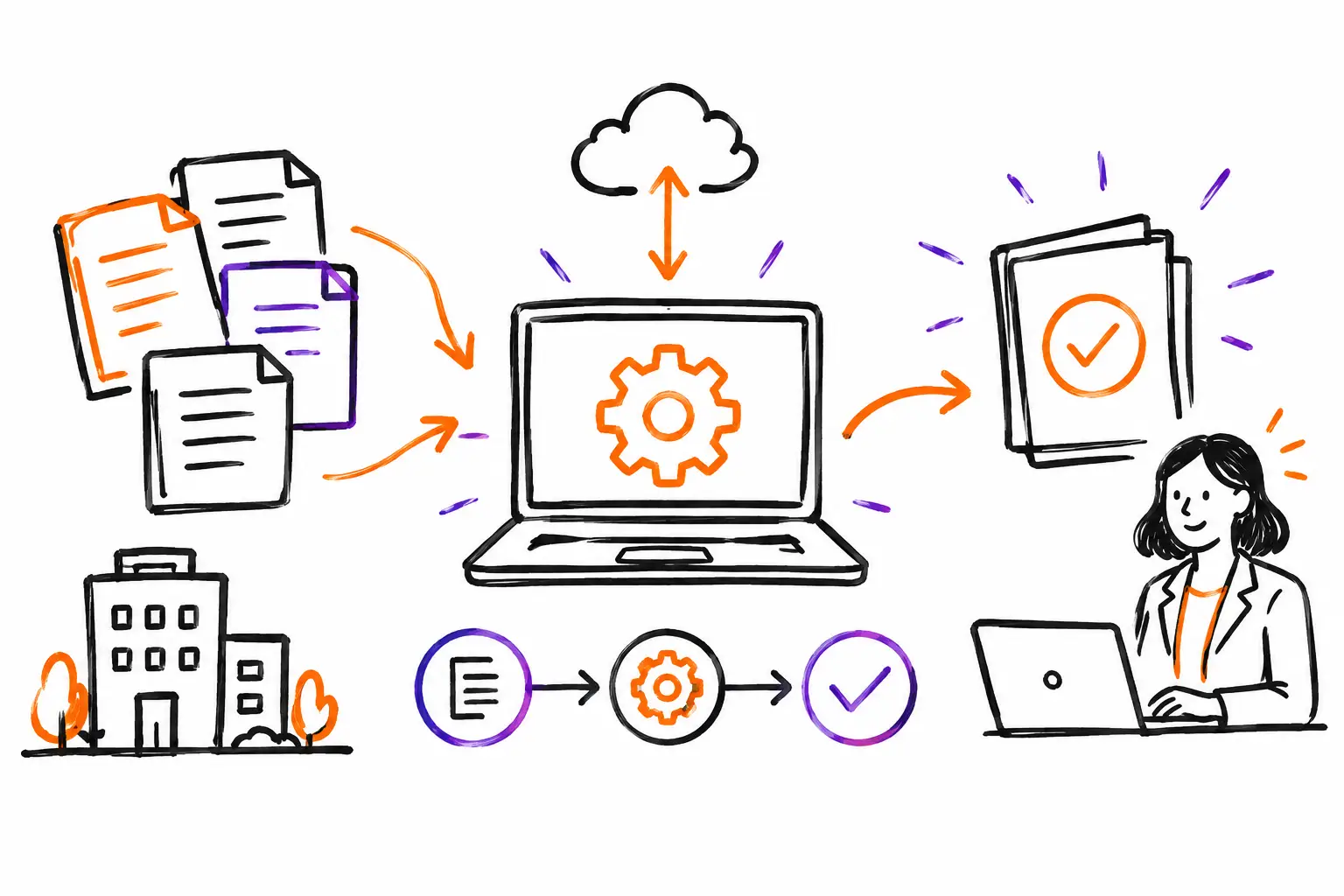
A work order is finished on the job site, but the photos are on a technician's phone, the hours are in an Excel file, the expenses are on a crumpled receipt, and customer information is buried in office emails. Meanwhile, the invoice sits waiting. This is precisely where project management software must do more than just distribute tasks: it must connect the work actually performed to the operational workflow.
For an SME that manages projects, service calls, or field teams, the right tool is not just about knowing "who is doing what." It should allow you to track a file from the first customer interaction to billing, without asking teams to enter the same information two or three times.
A project is more than just a task board
Traditional project management software is often designed around a board: a task to do, an assigned person, a due date, and a checkbox. This approach might work for a small team that primarily does office work. It quickly shows its limits when a project involves a site visit, safety procedures, materials, photos, signatures, or billable hours.
In an excavation, technical services, or property management company, the real starting point is not always a task. It is often a business document: a quote, a mandate, a work order, a service ticket, or a project file. This document provides context to the team and must maintain the complete history of the intervention.
When information is scattered between a task app, text messages, timesheets, and accounting software, the handoffs become fragile. A technician might finish a job without noting a part used. A project manager might approve hours after the invoice has been prepared. The office then has to call, search, correct, and re-enter data.
The cost is not just administrative. It results in billing delays, forgotten expenses, poorly informed customers, and incomplete visibility into the actual profitability of a project.
What project management software must centralize
The right choice depends on how you work. An agency managing creative deliverables does not have the same needs as a company sending teams to client sites. However, for operational SMEs, a useful system must bring together the information that actually accompanies the work.
A single file for every mandate
Each project or work order should become the team's point of reference. It should contain customer contact details, instructions, tasks, deadlines, documents, communications, photos, and approvals. This way, the person heading to the field doesn't have to dig through their emails to understand what was promised.
This centralization also helps the office. When a customer calls to check the status of a mandate, the coordinator can see the latest notes, completed work, and pending items without having to follow up with three different people.
Tasks that follow the work, not the other way around
Tasks remain essential, but they must be linked to the right file. An installation might require a visit, customer approval, a material order, and a final inspection. Each step must have a person responsible, a date, a status, and, if necessary, a procedure to follow.
The goal is not to monitor every movement. It is to reduce gray areas. When a task is on hold because a part is missing or site access hasn't been confirmed, the manager should see it before the deadline passes.
Hours, expenses, and materials in the right place
A timesheet entered three days after the intervention is rarely complete. The same principle applies to mileage, purchases, and parts taken from inventory. The closer these data points are captured to the moment the work is done, the more reliable they are.
An adapted tool allows the team to attach their hours, expenses, photos, and notes directly to the work document. The office can then verify the information, apply internal rules, and prepare billing from data that is already available.
This is a concrete difference: instead of reconstructing an invoice from multiple sources, you transform approved work into an invoice. Less searching, fewer omissions, less double entry.
How to choose the right project management software
Before comparing features, start with your documents and information flows. Take a recent project, ideally one that had a few unforeseen events, and trace its path. How did the request come in? Who prepared the quote? What did the field team need to know? At what point were hours and costs validated? How long did it take to invoice?
This exercise often reveals the real problem. It is not necessarily a lack of tasks or reports. It might be a photo that never makes it to the client file, an approval sent by text, or billable material that never gets reported to the office.
Then, ask suppliers simple questions: can the software handle your type of work order? Can it display the fields useful to your teams? Can employees use it on mobile, even when they are in a rush? Can the entered data be used for billing and reports without being copied elsewhere?
Configurability matters a lot. Very complete but rigid software can force your company to bypass its own methods. Conversely, a tool built entirely from scratch can become difficult to maintain if every change requires development. The right balance is to start with a proven foundation, then adapt the documents, statuses, forms, and automations to your reality.
The target scenario: from quote to invoice
Imagine a customer request for an urgent repair. The office creates the file, adds the problem description, and prepares a quote. Once accepted, the quote becomes a work document. The manager assigns the intervention, attaches instructions, and schedules the visit.
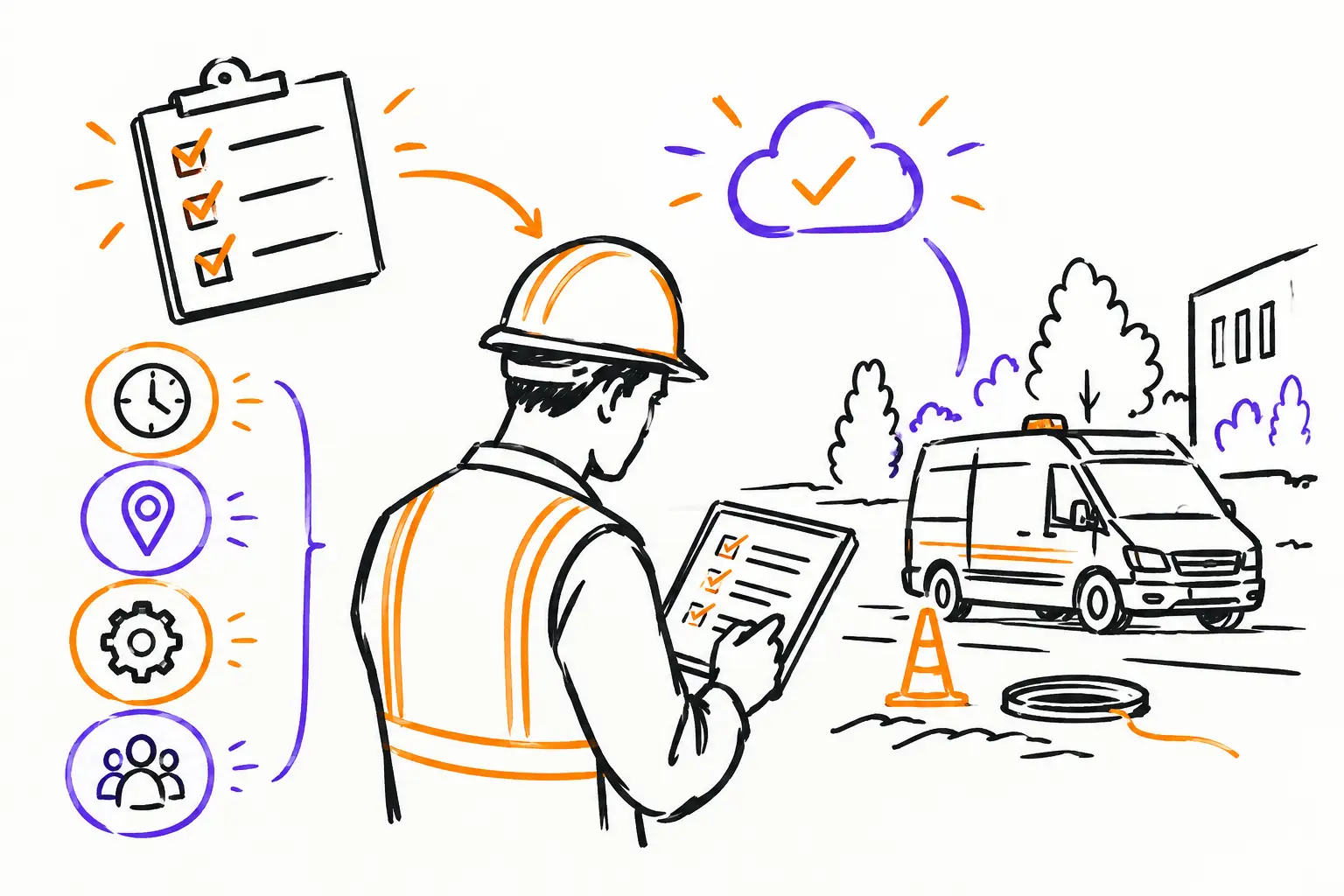
On-site, the technician views the mandate on their phone. They follow the procedure, add before-and-after photos, enter their time, note the parts used, and have the customer sign if necessary. The coordinator sees that the intervention is complete, validates the required items, and prepares the invoice based on the file data.
This workflow does not mean everything must be automatic. Some companies want hours validated by a supervisor. Others must have expenses approved or check contract rates before billing. The software must support these controls without forcing teams to redo the work in another system.
It is this continuity that provides a reliable view of activity. You see open mandates, overdue tasks, committed hours, unbilled expenses, and projects that are progressing slower than expected. Dashboards become useful because they are based on real work, not data entered at the end of the month.
Adoption happens in the field
The best system will be useless if teams avoid it. To encourage adoption, start with actions that eliminate a concrete frustration: finding instructions, taking photos in the right place, logging hours, or reporting a problem to the office.
Avoid trying to digitize every detail on the first day. Choose one type of document, one workflow, and a few useful indicators. For example, start with service work orders, then add expenses, inventory, or profitability reports once habits are well established.
At Sequentia, the idea is to start with the document that already keeps your business running rather than imposing a generic flow. A work order, a mandate, or a ticket can become the common thread that connects teams, procedures, costs, and the invoice.
Before choosing, take a real file that has circulated between the field and the office. Ask yourself if the software can move it from start to finish, with your information and your validations. If the answer is yes, you are not just buying a project management tool: you are reducing the information loss that slows down your business every day.