A technician confirms a service call via text. The project manager adds a detail in a Teams chat. At the office, an assistant receives a photo via email. Two days later, it is time to respond to the client, validate hours, and generate the invoice. No one has the full story. Centralizing project team communications prevents exactly this scenario: information remains attached to the actual work, rather than getting lost between inboxes and phones.
For an SME that manages work orders, mandates, or projects, the problem is not a lack of communication tools. The problem is knowing which information is official, who has seen it, and what needs to be done next. An isolated discussion might seem fast. It becomes costly when it forces the office to call the field, search for an attachment, or redo an invoice.
Why scattered messages slow down projects
Teams do not communicate poorly out of negligence. They use whatever is most accessible at the moment the work is being done: texts between visits, calls from a job site, notes on paper, or emails sent between meetings. Each channel meets an immediate need. Together, they create a gray area.
This gray area is rarely visible in initial exchanges. It appears when a client disputes the scope of work, when a team replaces an absent colleague, or when someone must explain why a task took three hours longer than expected. The manager must then reconstruct the facts from memories, screenshots, and partial messages.
The cost is not just administrative. An unseen instruction can lead to a wasted trip. A verbally given approval might never be billed. A photo taken in the field might remain on an employee's phone when it could have served as proof for the client. When communications are dissociated from the work file, traceability depends on individual memory.
Centralizing project team communications around the right document
Centralizing does not mean imposing a new communication channel on everyone. It means attaching exchanges to the document that organizes the work: a work order, ticket, mandate, project, or client request.
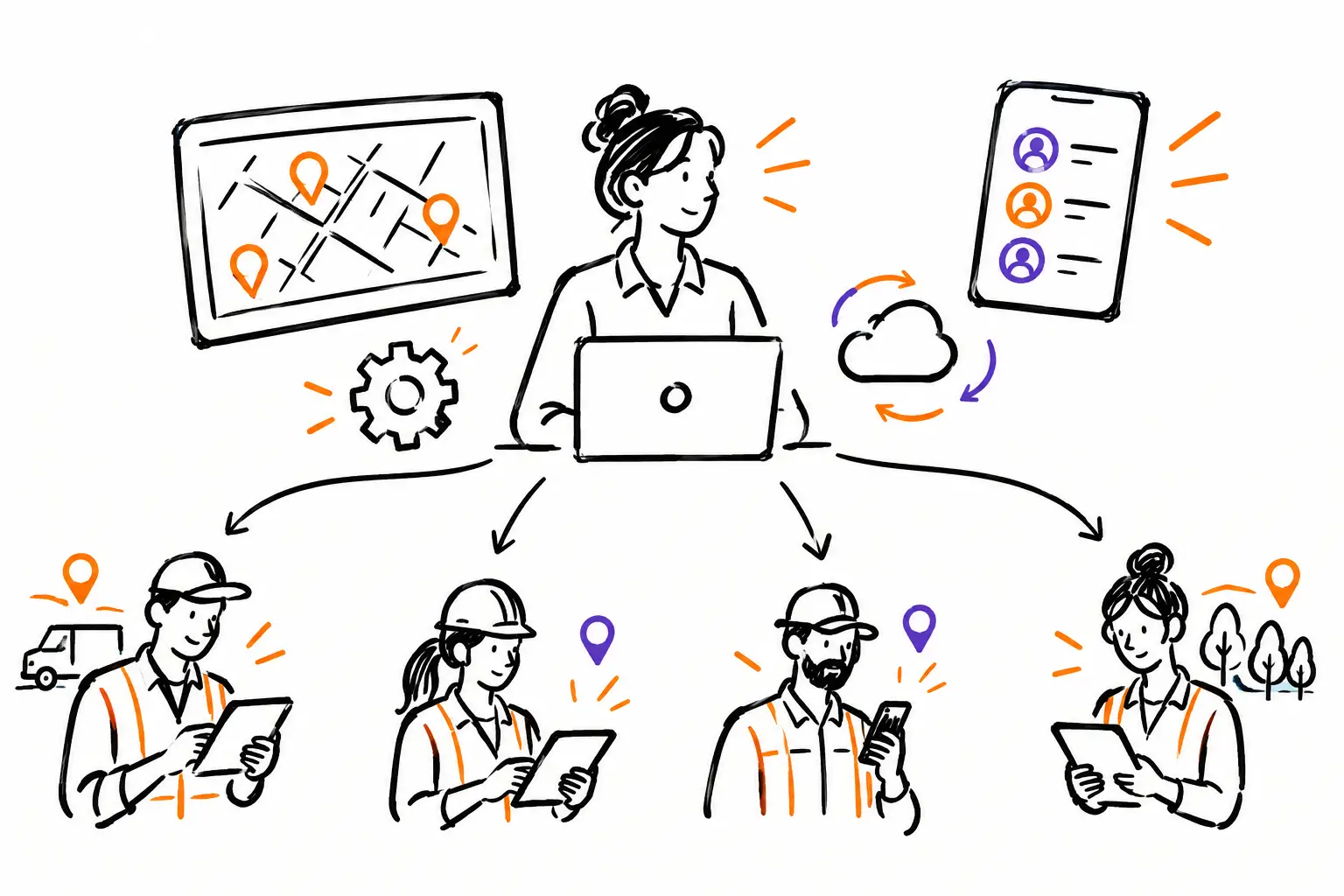
Take a technical maintenance company. A client reports a breakdown. The coordinator creates a work order, adds the priority, and assigns a technician. On-site, the technician consults the instructions, notes their diagnosis, attaches photos, and requests authorization for an additional part. The office sees the request in the same file, confirms the authorization, and the technician completes the intervention.
In the end, there are not four versions of the story. There is one work document showing the initial request, tasks performed, communications, parts used, time logged, and client validation. This structure facilitates tracking, but it also changes the quality of decisions. The manager no longer decides based on an isolated message: they see the full context.
A discussion thread must answer a simple question
When an employee opens an exchange, they should be able to quickly answer three questions: what work is being discussed, who needs to act, and what has been decided? If the discussion thread does not allow for this, it adds noise rather than clarity.
A good project file should therefore display messages in context, with dates, authors, documents, and related actions. A comment about a delay does not have the same significance if it accompanies a job site photo, a change request, or a timesheet. Context prevents misinterpretations and reduces incomplete handoffs.
It is also necessary to distinguish operational conversation from informal conversation. A team can continue to use the phone for emergencies or quick exchanges. However, any decision that modifies scope, cost, schedule, safety, or billing must be recorded in the file. This is a simple rule, more useful than a ten-page communication policy.
The right level of structure for the field and the office
Overly rigid centralization can fail. If every note requires multiple fields or if the application takes too long to use on a job site, teams will revert to texting. The goal is not to add administrative tasks to an already busy day. You must make data entry easier than searching for information later.
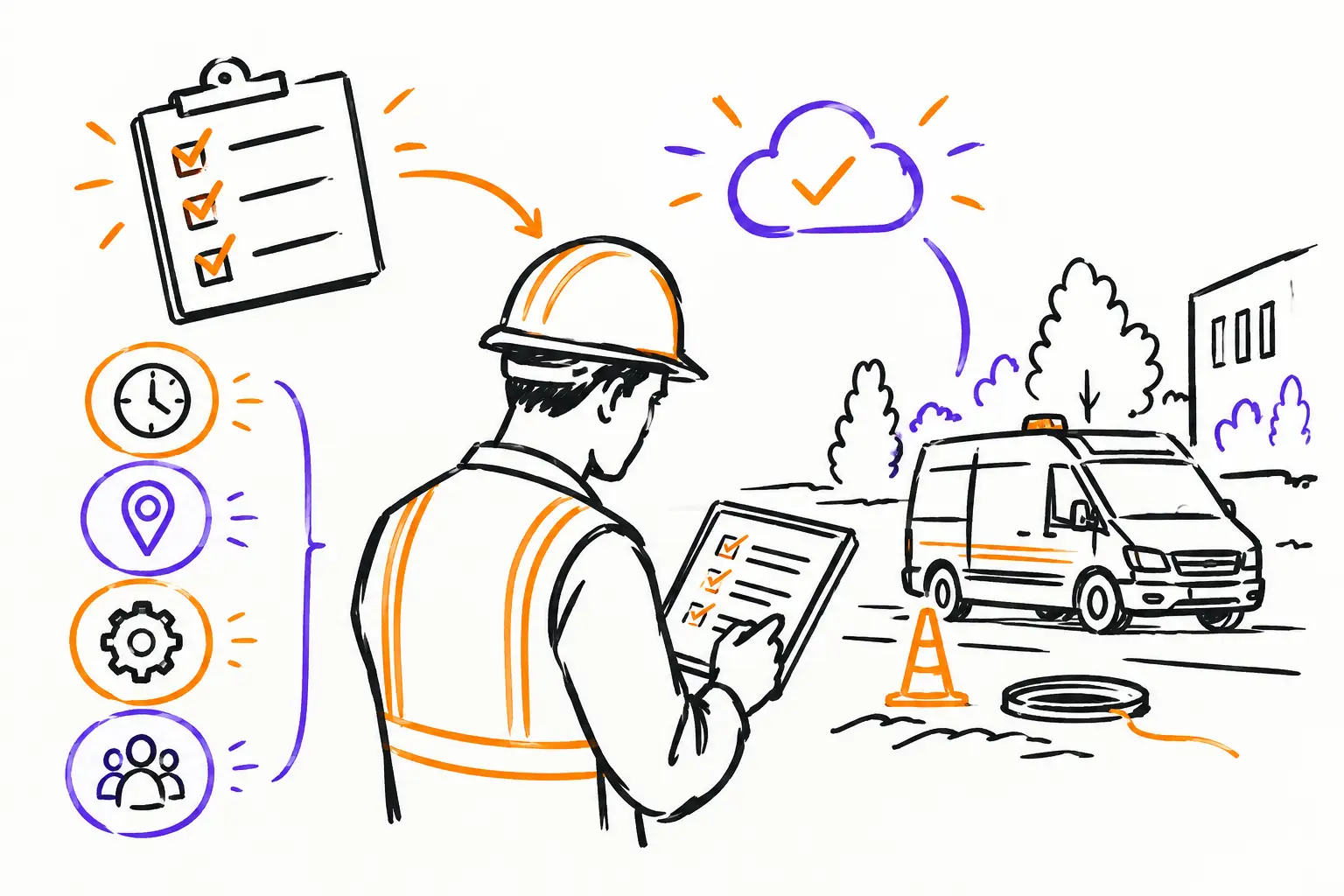
In practice, this involves short actions: adding a comment, attaching a photo, checking off a step, logging time, flagging a blockage, or requesting validation. The technician should not have to write a full report when a clear note and two photos are enough to document the situation.
On the office side, the structure must help prioritize. Managers need to see files awaiting approval, blocked work, completed but unbilled interventions, and unanswered communications. Without this visibility, tracking still relies on follow-up calls and parallel spreadsheets.
The level of detail depends on the industry. An excavation company will want to track soil condition changes, equipment, and permits. A production agency will prefer to centralize deliverables, client validations, and last-minute requests. Your methods are unique, and your software should be too. The central file must reflect the document your teams already use to do their work.
Moving information through to the invoice
The real gain comes when communications do not remain just a history. They must fuel execution and administration.
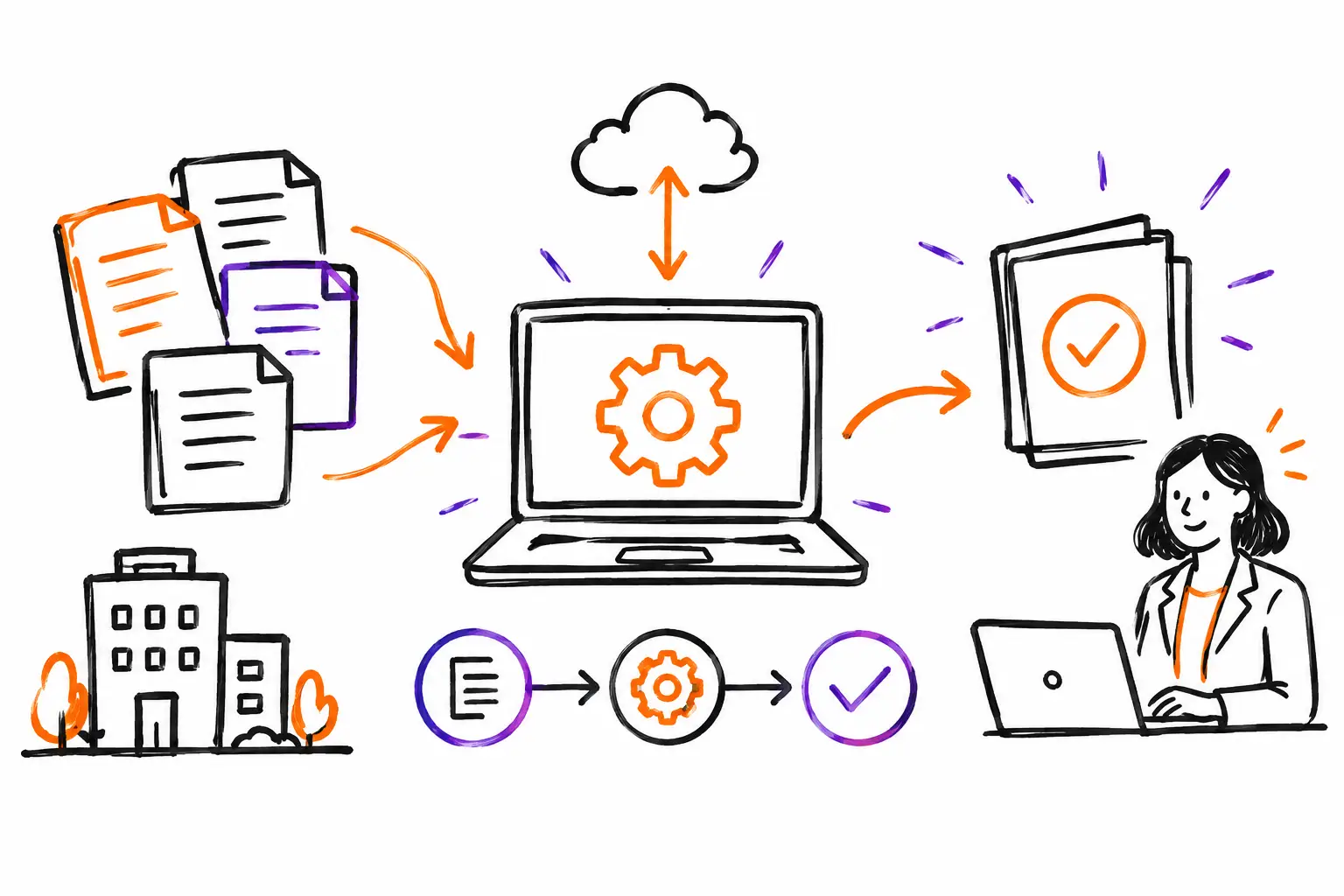
Suppose a client approves additional work on-site. If this approval is linked to the work order, the team can update tasks, add hours and materials, and then convert the data into an invoice. The office does not have to copy a note from an email or guess if a part was installed. Communication becomes useful data.
This is where scattered tools show their limits. A chat tool may facilitate conversation well, but it does not always know what to do with an authorization, an expense, a signature, or travel time. An operational platform must link these elements to the same document, from quote to invoice.
With Sequentia, for example, exchanges, photos, tasks, time, procedures, and validations can follow the work order or project configured according to your reality. The goal is not to replicate your conversations on another screen. It is to ensure that the work entered by the field also serves client tracking, operations management, and billing, without double entry.
Implementing a sustainable method
Before choosing or configuring a tool, start by following a real project from start to finish. Identify the moments when information changes hands: client request, planning, assignment, execution, approval, closing, and billing. These handoffs are where oversights occur most often.
Next, define what must be in the file. In many SMEs, four elements are enough to start: changes requested by the client, obstacles encountered in the field, validations, and supporting documents like photos or signed forms. The rest can be adjusted after a few weeks of use.
Responsibility matters as much as technology. Someone must monitor blocked files, someone else must confirm completed work, and teams must know who responds to requests. Notifications help, but they do not replace a clear tracking rule. If everyone thinks someone else will respond, the client is still waiting.
Finally, measure the concrete effects. Look at the number of follow-up calls, the delay between work completion and billing, files without photos or signatures, and time spent searching for information. These indicators quickly show if your method is truly reducing friction.
Centralized communication will not make every project simple. However, it gives your teams a reliable file to act on when the job site changes, when the client asks a question, or when the office needs to bill. Start with one document type, one clear rule, and a pilot team. When information finally follows the work, decisions become faster and promises made to the client are easier to keep.