A client calls because a repair performed three weeks ago isn't holding up. The technician involved is away, the photos are on their phone, the parts used aren't on the paper work order, and no one knows what was promised to the client. This technical intervention traceability guide addresses this very concrete problem: quickly finding the facts, proving the work performed, and taking action without wasting the entire team's time.
Traceability isn't about asking your technicians for more reports. It's about capturing the right information while the work is being done, directly in the document used to plan, execute, validate, and invoice the intervention. When data remains scattered across texts, timesheets, emails, and Excel files, the office has to reconstruct the story after the fact. That is where oversights become costly.
What a traceable intervention allows you to see
A technical intervention is rarely just a simple visit. There may be an initial call, a diagnosis, authorization, travel, parts, before-and-after photos, a client signature, and then an invoice. Each step has value, both for the client and for your team.
A well-maintained file answers simple questions without delay: who performed the work, when, on what equipment, for what problem, and with what result? It also shows what remains to be done. This visibility helps the coordinator follow up on a pending part, the manager verify actual hours, and the administration invoice without chasing down information.
The difference is most visible during a dispute, a warranty claim, or a compliance request. Instead of asking several people to search through their messages, you open the work order and consult a reliable timeline. The client receives a clear answer, supported by the actions taken rather than approximate memories.
Information to link to the work order
The work order, mandate, or ticket must be the point of reference. It is not an isolated form to be filled out at the end of the day: it is the living record of the intervention. Its content varies according to your industry. A preventive maintenance company will not track exactly the same elements as a specialized workshop or an excavation contractor.
However, you must be able to link a few essential pieces of information: the client's request, the location or asset involved, the person in charge, planned tasks, hours, materials, communications, visual evidence, and final validation. If you manage equipment, add the serial number, maintenance history, and necessary readings. If you perform billable work, also link rates, authorized expenses, and agreed-upon conditions.
The goal is not to document everything on principle. A photo of every screw replaced would unnecessarily slow down the team. On the other hand, photographing existing damage, a completed installation, or a detected anomaly protects the company and clarifies the next steps. The right rule is simple: capture what allows you to understand, continue, or invoice the work without having to call the technician back.
Defining useful evidence based on the type of intervention
For an urgent service call, the arrival time, diagnosis, actions taken, and signature may suffice. For regulated maintenance, a detailed checklist, measurements, and an attestation may be necessary. For a project spread over several weeks, traceability must also track requested changes, approvals, and progress by stage.
Before configuring a tool, observe which of your files create the most friction. Invoiced returns? Unbilled extra work? Endless arguments over liability for damage? These situations indicate precisely what data is missing and when it should be captured.
Building a workflow that follows real work
A good process does not ask the field team to translate their trade into a system designed for someone else. It must follow your way of working, with statuses and fields understandable to everyone. For example: request received, planned, en route, in progress, waiting for parts, completed, validated, and invoiced.
Each status must trigger a concrete action. When the intervention moves to "waiting for parts," the file must indicate which part, who is ordering it, and the next follow-up date. When it moves to "completed," the technician completes the required elements before the office prepares the invoice. This structure avoids work orders disappearing into a pile because they seem finished, but are still missing essential information.
The level of control depends on your business. A small team performing quick service calls will benefit from keeping the workflow light. A company with subcontractors, contractual requirements, or critical assets will benefit from adding validations. Too many steps discourage entry. Too few steps allow incomplete files to slip through. You should aim for the minimum that allows your company to work with certainty.
Having information entered at the right time
Traceability degrades when it depends on memory. A technician who has to reconstruct their five visits of the day at 6:00 PM risks forgetting a part, an extra hour, or instructions given by the client. Mobile entry, at the moment of the action, reduces this risk.
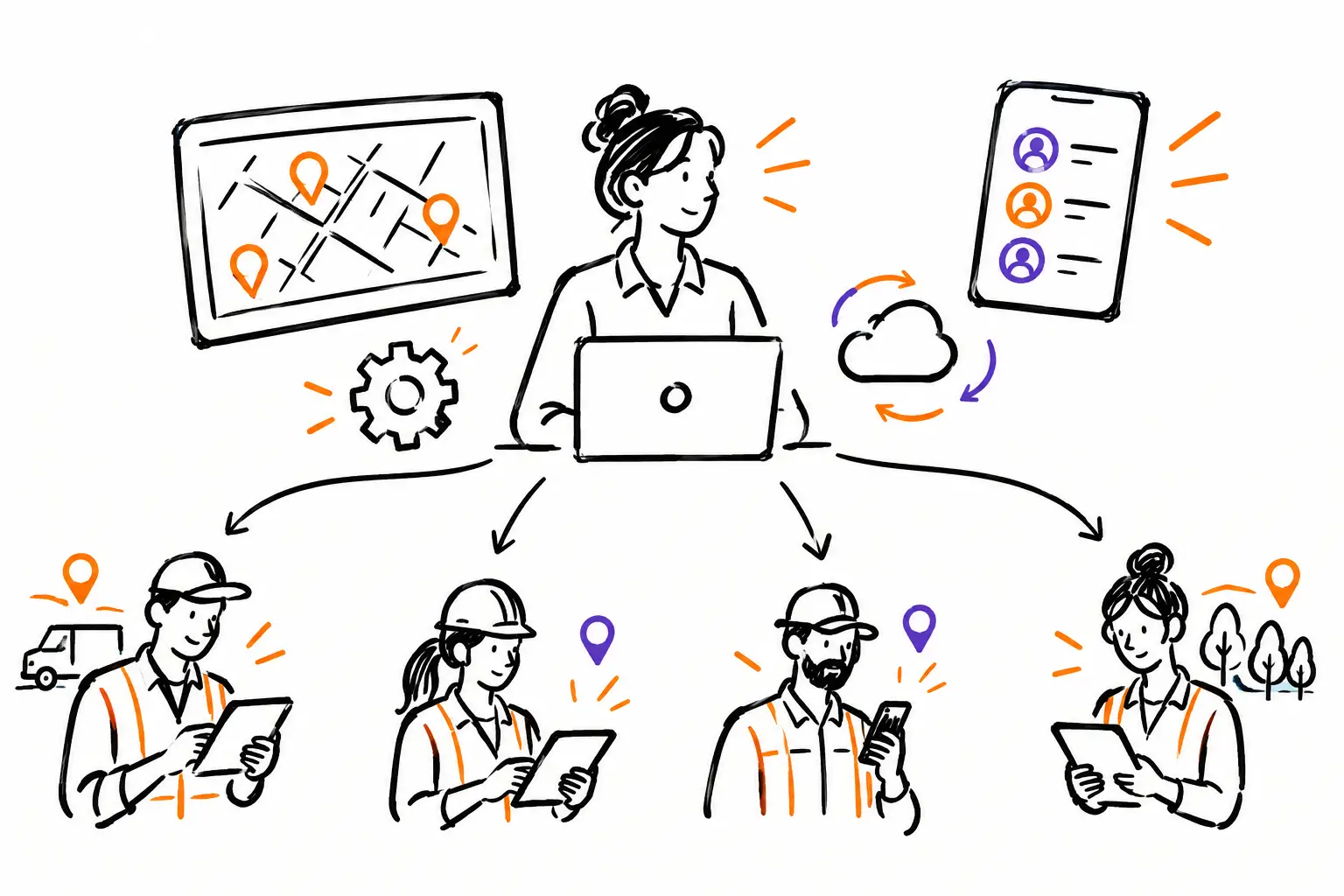
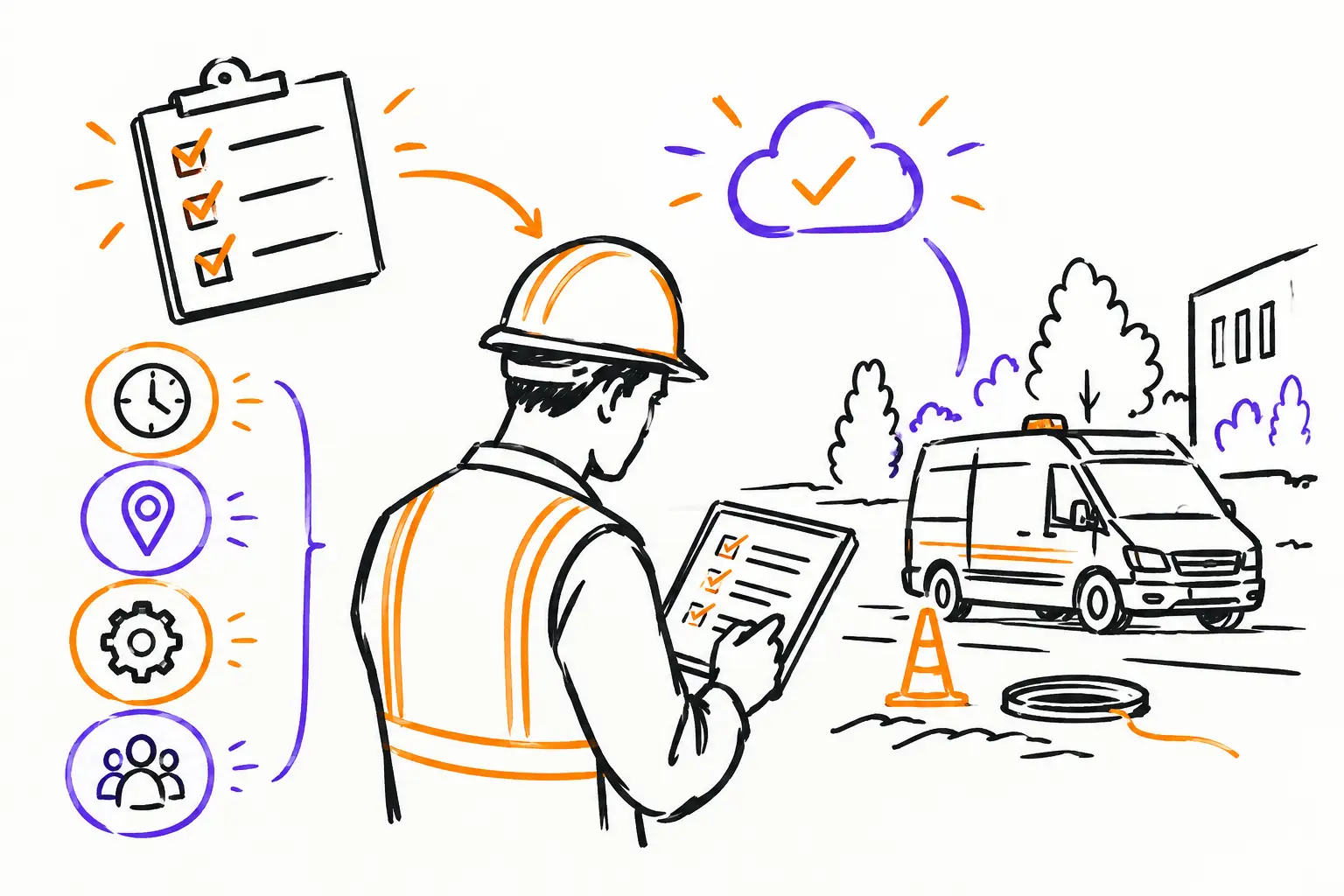
Concretely, the technician opens their work document on-site, starts their time, consults the procedure, adds a photo if necessary, and indicates the parts used. Before leaving, they note the result and have the intervention validated. The office sees the progress without calling to ask about the status of the file.
This discipline must remain realistic. In some areas without a network, the team must be able to work offline or complete the data as soon as the connection returns. In a dirty or dangerous environment, the priority remains safety, not screen entry. The system must adapt to field constraints, not deny them.
Linking traceability to invoicing
Information entered that is never used quickly becomes a chore. Conversely, when the hours, expenses, and materials recorded in the work order directly feed the invoice, the team understands why the quality of entry matters.
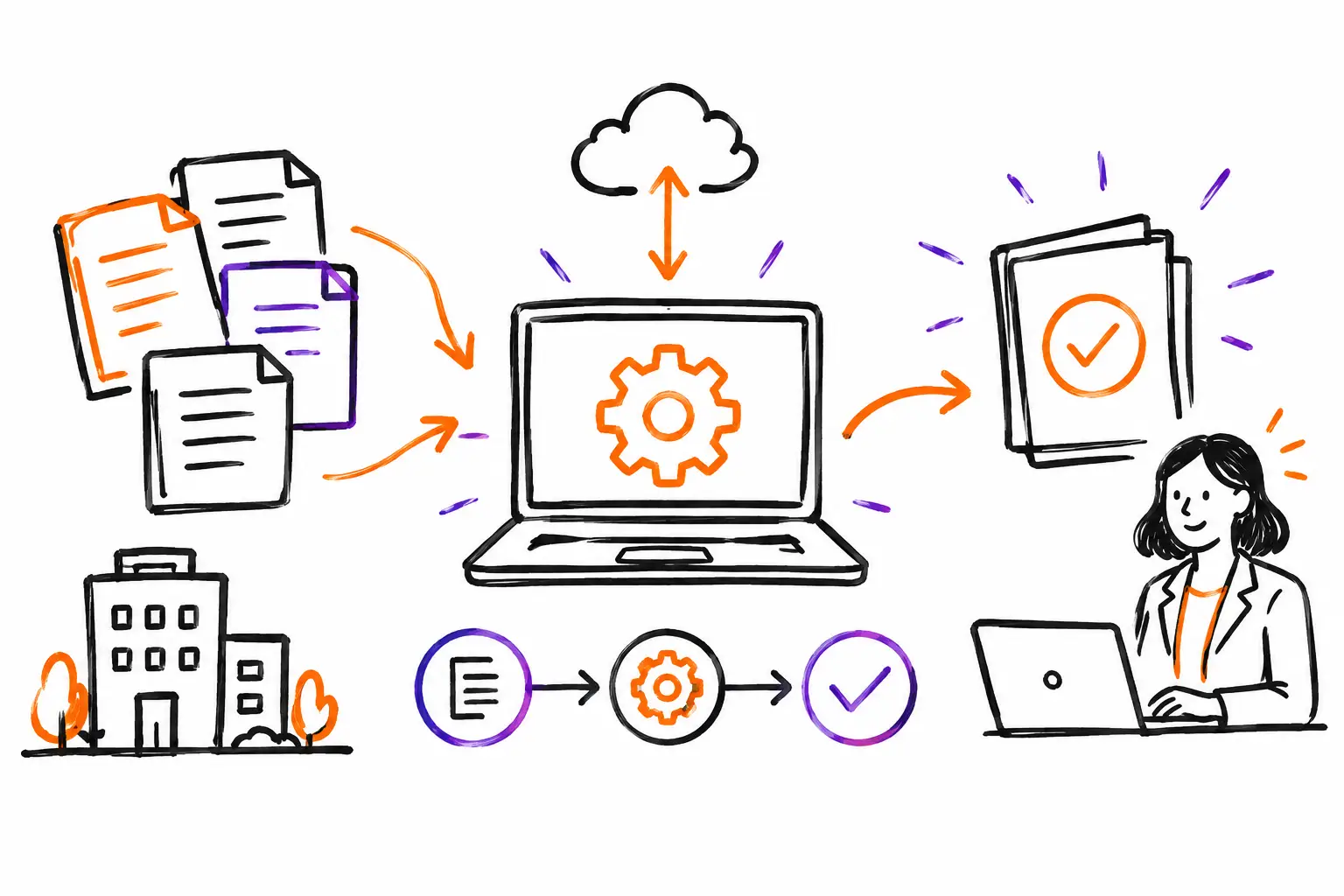
The path becomes clear: an accepted quote creates the work document, the field team records what is actually performed, then the administration verifies and invoices the eligible items. Without double entry, you reduce the gaps between work sold and work invoiced. You also avoid invoicing a planned quantity when the reality on-site has changed.
A control step must be maintained. An invoice generated from the field is not necessarily an invoice to be sent automatically. The manager can verify extra work, apply client conditions, or request clarification before issuance. Traceability accelerates invoicing, but it does not replace business judgment.
Measuring what really blocks your operations
Once interventions are centralized, the data is used for more than just finding a file. It allows you to see the delays between the request and planning, interventions that remain pending for too long, travel times, recurring callbacks, and the most consumed parts.
Start with indicators useful for your decisions. If your issue is profitability, compare planned and actual hours by type of intervention. If you are wasting time on coordination, look at the number of files returned to planning due to lack of information. If clients often follow up, track interventions completed without a report or invoice after a few days.
Do not turn every piece of data into a dashboard. An SME manager needs to spot an exception and act, not consult twenty charts. The best indicators highlight a blocked file, a poorly followed procedure, or a margin that is degrading before the problem becomes a habit.
Implementing traceability that lasts
Start with a frequent and profitable type of intervention. Define the document, statuses, mandatory information, and the person who validates the file before invoicing. Run a trial with a few technicians, then adjust the fields that create confusion or the steps that add no value.
Training must be based on real scenarios: an incomplete visit, a part not available, extra work requested by the client, a warranty return. Teams adopt a process more easily when they see how it avoids an unnecessary call, a forgotten hour, or a debate with the client.
With a configurable platform like Sequentia, the work document can use your terms, your procedures, and your validation rules rather than forcing you to work around a generic template. Your methods are unique; your software must be able to follow them.
Good traceability is not noticed because it produces more paperwork. It is noticed the day you open a file, immediately understand what happened, and can decide on the next steps with confidence.